According to researchers at the IRTA , an entity appointed by the Department of Agriculture, Food and Rural Action (DAR), the developed sensor is key to guaranteeing greater security for consumers of shell molluscs such as mussels and clams, reports Analia Murias for FIS.
According to the news report, the IRTA team will try to produce enzymes that are highly sensitive to such toxins such as okadaic acid (and derivatives), phycotoxins (of marine means) and microcystines (fresh water cyanotoxins) by means of genetic engineering.
The following step entails the characterisation of toxin recognition by these enzymes, through colorimetric trials, the Institute revealed.
New Technology Detects Toxins in Shellfish Waters
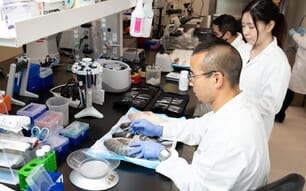
SPAIN - Experts of the Institute of Food and Agricultural Research and Technology (IRTA) devised a sensor with heightened sensitivity and a quick response that improves biotoxin detection in bivalve aquaculture.